North East leaders welcome Budget wins but business sees 'small steps'
Mayor hails growth funding and tax powers, while business leaders and Andy Haldane question whether the Budget will deliver growth.
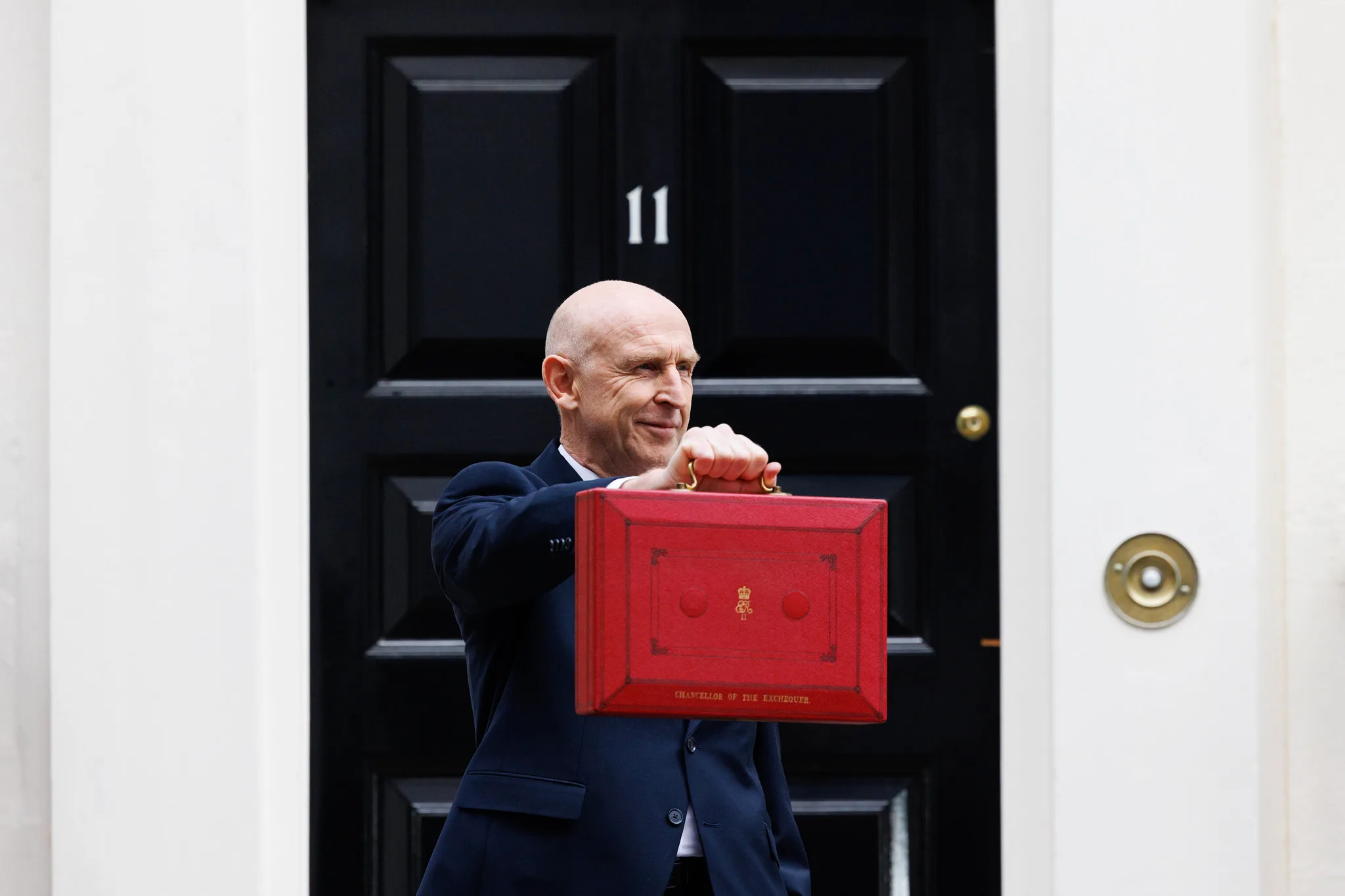 Kirsty O'Connor / No 10 Downing Street
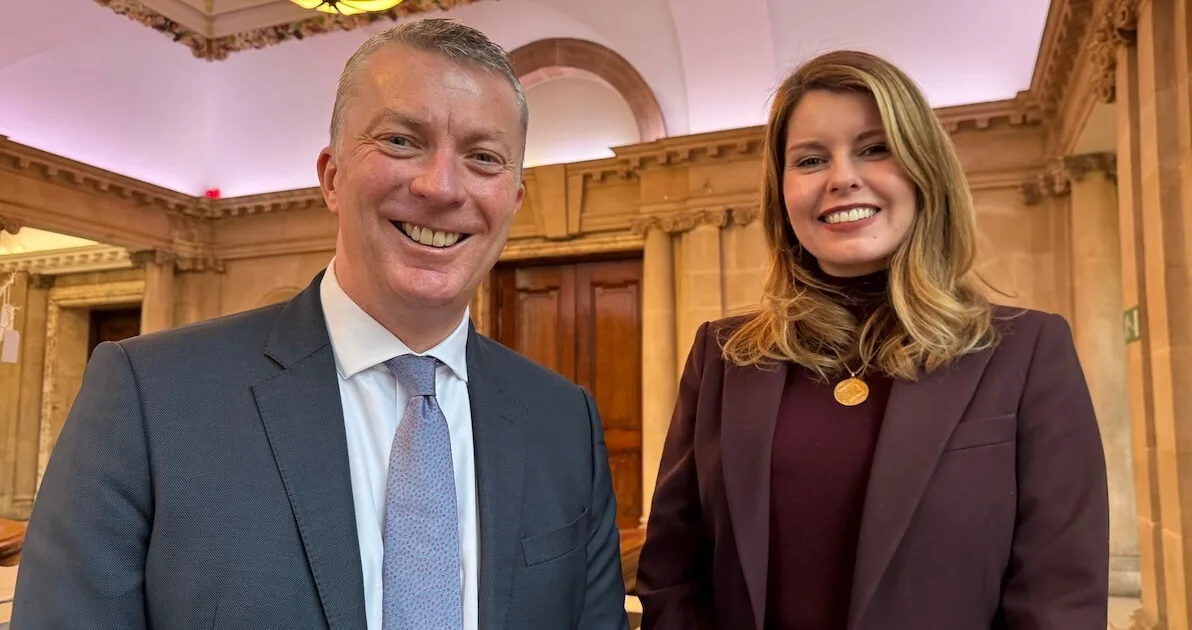
North East Mayor Kim McGuinness has welcomed Chancellor John Healey's first Budget as a win for the region, while business leaders and former Bank of England chief economist Andy Haldane said it did too little for growth.
The Budget set up Good Growth Funds for mayors and will give mayoral authorities a share of business rates and, from 2028, of income tax receipts. It also confirmed more than £85m for the Offshore Renewable Energy Catapult in Blyth and named Gateshead as host of next spring's International Investment Summit.
But North East Chamber of Commerce chief executive John McCabe said it took "small steps rather than big leaps towards unlocking the North East economy".
'It's about time'
McGuinness said: "After years of fighting for the investment we deserve, I'm delighted we now have a North East Good Growth Fund helping us to deliver projects like a new arena in Gateshead and film and TV studios in Sunderland and these will just be the start."
The Budget provides £285m of initial Good Growth Fund money across England in 2027-28, but does not say how much will go to the North East or allocate amounts to individual projects.
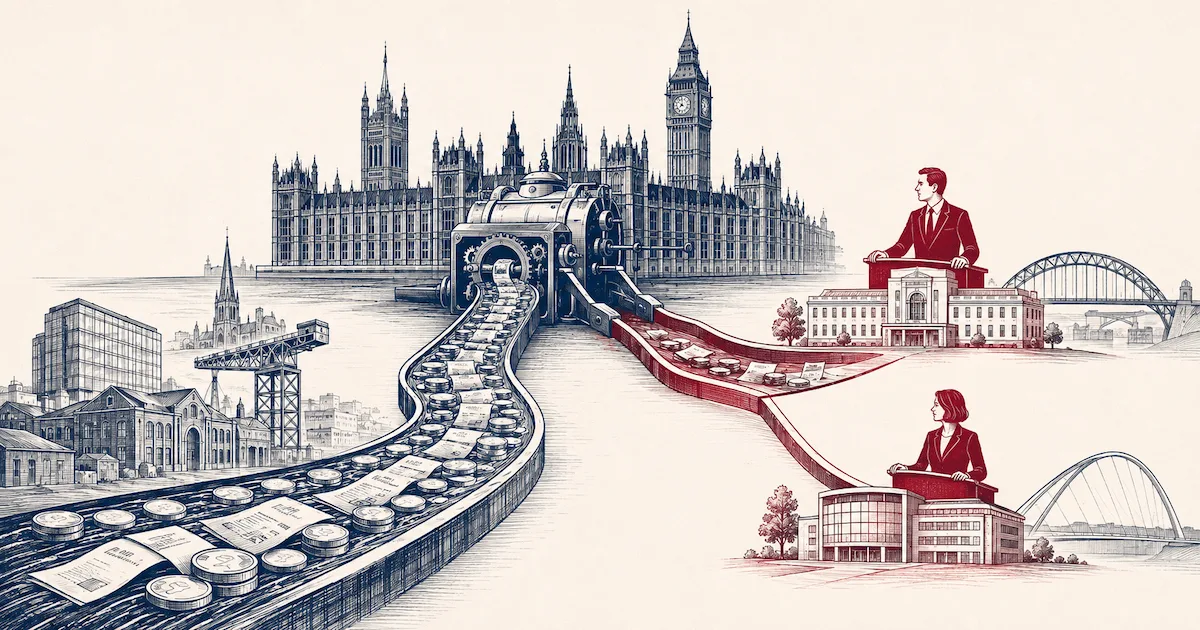
She also welcomed the move to let the region keep more of the tax it raises. Under the government's Fiscal Devolution Roadmap, mayors will receive a share of business rates income from April 2027 and an assigned share of income tax receipts from April 2028.
"It's about time we stopped sending all of our tax to Westminster and instead use it right here in the North East," she said. "It's good to see the government agrees. This will be used for initiatives that directly cut the cost of living like cheaper fares on public transport in years to come."
She also welcomed the £100 energy payment, which she said most households in the region would receive, and the wider business rates relief for high street businesses.
'Stability at the expense of dynamism'
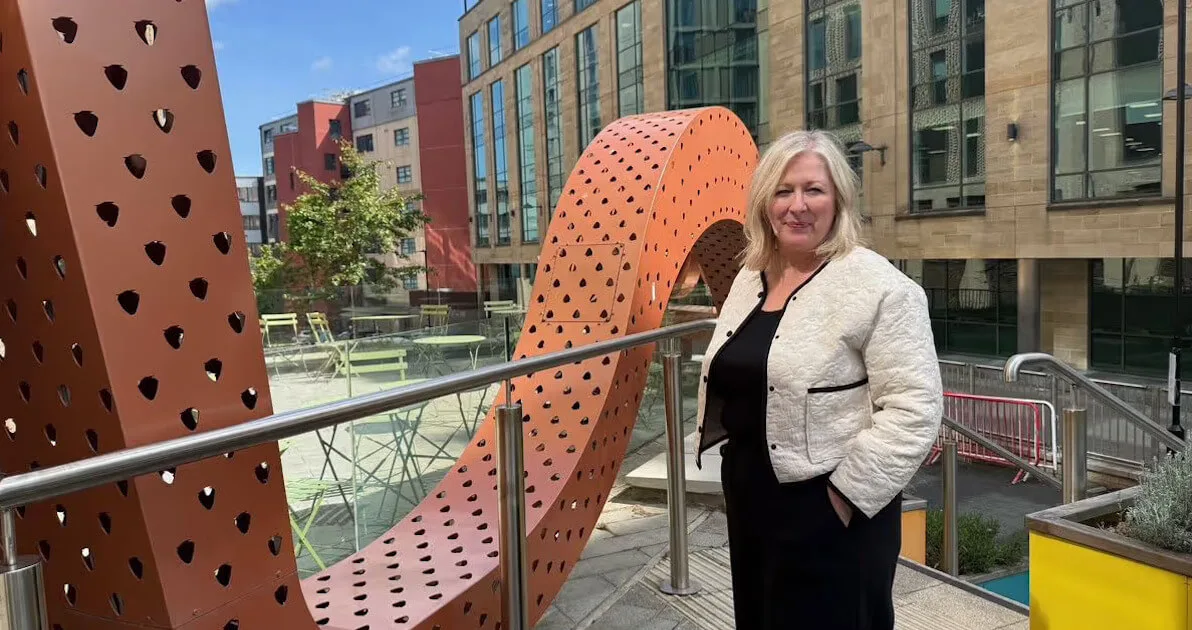
McCabe welcomed the absence of new business taxes and several investments for the region, describing funding for Gateshead Quays regeneration, the £85m for the Blyth Catapult and the investment summit as "all wins".
He also welcomed the government's decision to prioritise mature carbon capture, usage and storage and hydrogen projects at Teesside. The same Budget cut national capital grants for carbon capture by £200m and for hydrogen by £500m, and did not set out new funding for Teesside.
On tax retention, he said the Chamber would study the Fiscal Devolution Roadmap. "Unlocking this investment must offer a net benefit for both our local authorities and our Mayoral Strategic Authorities to deliver good growth right across the North East," he said, "but only if genuine rebalancing is achieved both between and within regions."
But his overall verdict was cautious. "For now, the government has potentially offered stability at the expense of dynamism and this may be a missed opportunity for our region," he said.
"We will judge this Budget by its impact on our region's businesses. The test is whether it helps more North East firms grow, trade internationally and create the quality jobs our communities need."
'Balanced rather than transformational'
Clive Owen LLP head of tax David Baggaley described the Budget as "balanced rather than transformational".
He welcomed the rise in the threshold for full Small Business Rates Relief from £12,000 to £18,000 of rateable value from April 2027. "For businesses across the North East, particularly those in the hospitality and leisure sectors, the increase in business rates relief from £12,000 to £18,000 is encouraging and will provide welcome support," he said.
But he criticised the halving of the lifetime limit for Business Asset Disposal Relief to £500,000 from April 2027. "At a time when we should be encouraging entrepreneurship and business growth, this setback will affect some business owners looking to sell soon," he said.
He said the rise in the National Living Wage to £13.21 an hour would add to employers' costs, but called the new Founders' Relief "an encouraging step towards supporting people looking to establish new businesses".
'Hope is not a strategy'
Haldane, who was born in Sunderland, called the Budget "pretty low-key as billed" in a video for the Financial Times, where he is a contributing editor. He is also an inaugural professorial fellow at Newcastle University's Institute of Devolution.
"There was a thin sprinkling of small measures," he said. "Something in there for everyone, but not enough in there for anyone to feel that they are fully secure in the face of the various headwinds domestic and external that we're facing."
He said many of the hard choices "will be taken next year in the spending review".
"It's all very well to have hope for the future as this government has promised. But hope is not a strategy, and today was at best the first instalment in a growth strategy for this government."
THE BRIEFING
The North East economy, every Thursday at 9am. Free.
Read our privacy notice.